About NCL Rehab

Learn about our mission, our team, and our commitment to your recovery.

Our Story

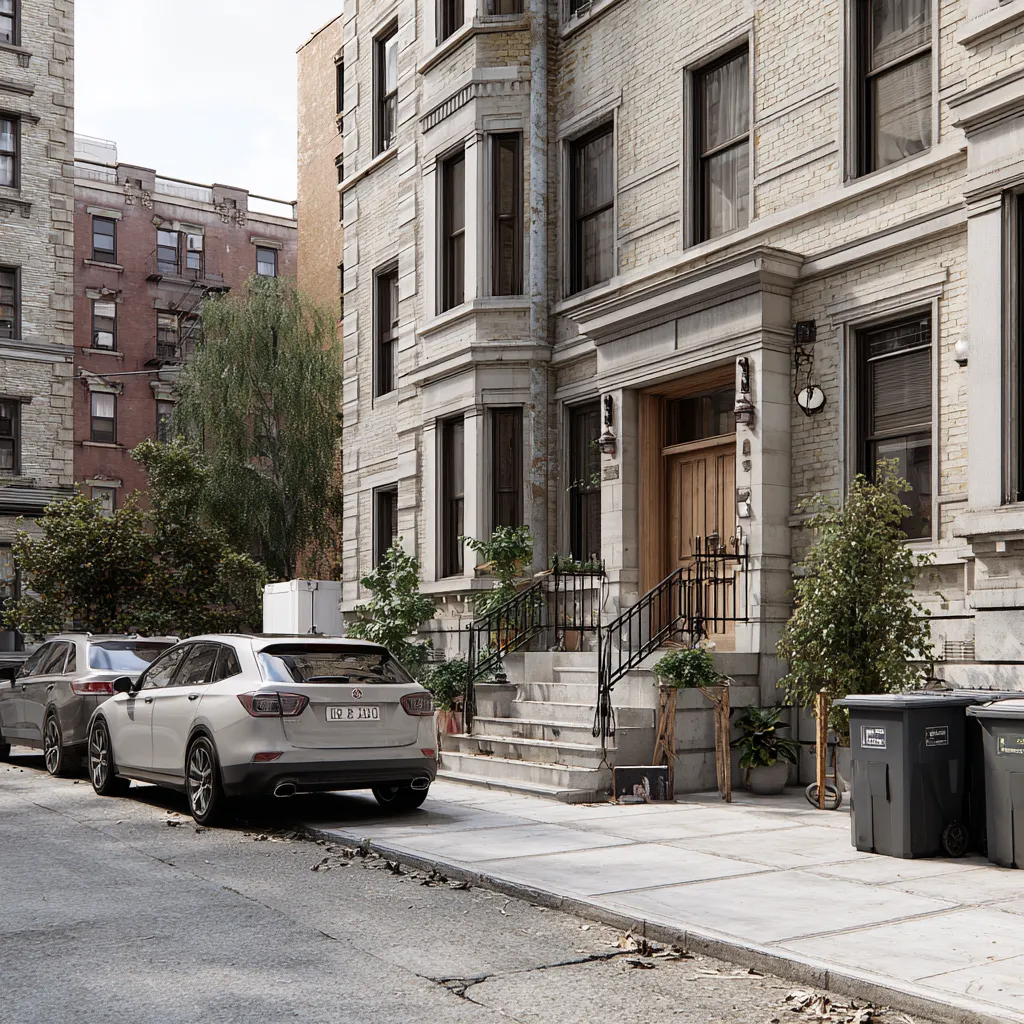
NCL Rehab opened in March 2019 as a small outpatient counseling practice - four clinicians, one Victorian conversion on the 4800 block of Mission Street, and a referral list built by phone from local primary care offices and emergency departments. The original idea was modest: provide IOP and standard outpatient care for adults in San Francisco who could not access affordable, clinically rigorous treatment without leaving the city.

The first year proved the model. The second year proved its limit. By the end of 2020, the clinical team was watching too many of its outpatient referrals fall apart at the residential and detox handoff - patients sent to facilities up the Peninsula or out of state, where continuity broke and family contact thinned. The decision was made to expand vertically rather than refer outward. We took over the adjacent building in 2021, opened our 34-bed residential program in 2022, and added a dedicated medical detox wing the following year. The team grew from four to sixty-nine over those four years, and the founding outpatient practice still anchors the step-down side of the continuum.

The name NCL is the original three founders shared shorthand - "no clean line" - a reminder that recovery does not happen in tidy stages, that the work bleeds across phases, and that the structure has to hold the patient through the messy transitions, not just inside the clean ones.

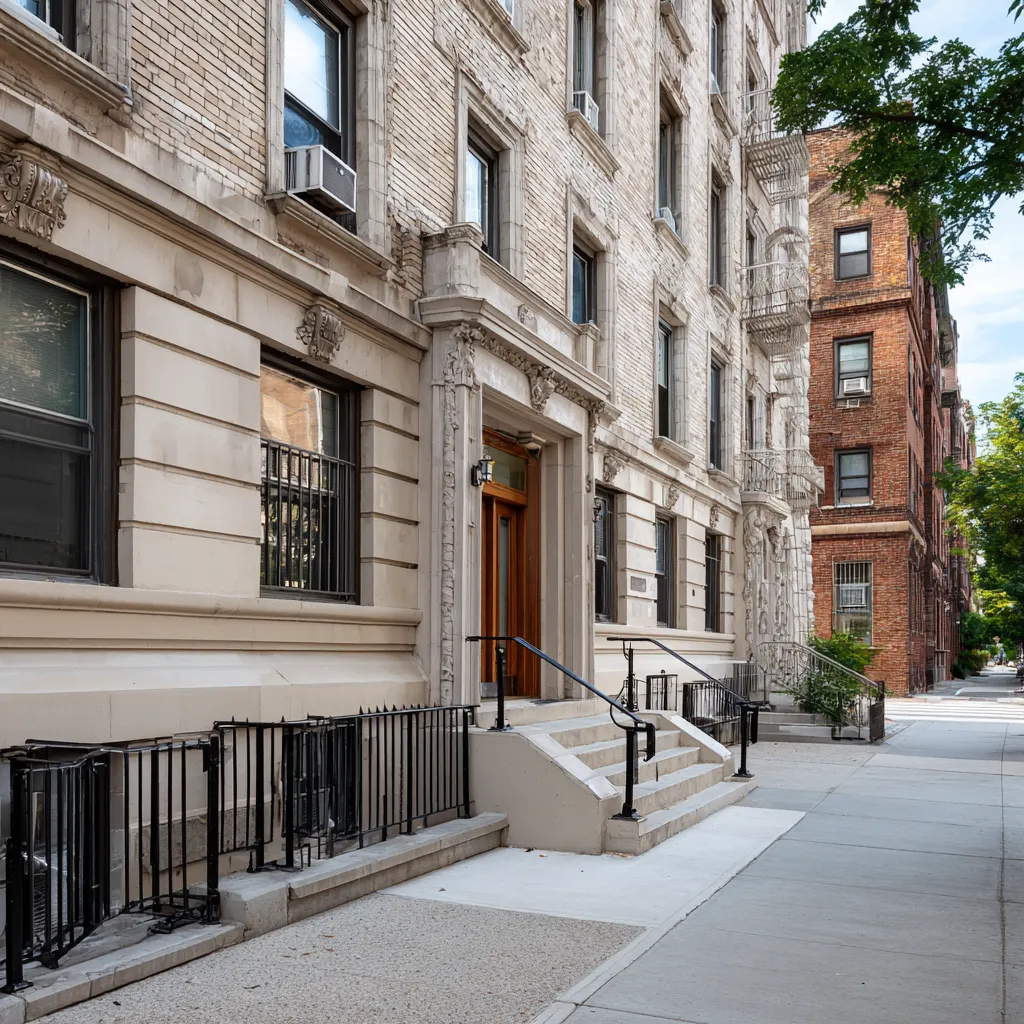
NCL Rehab building Facility view Facility view

Our Mission

Our mission is to make clinically rigorous addiction treatment accessible to San Francisco adults - and to do it in a way that strips the stigma out of getting help, one admission at a time.

Stigma kills. The data is unambiguous: people who delay treatment because of perceived judgment, professional fallout, or family shame have substantially worse outcomes than people who seek care early. Our orientation is to make the path in as low-friction as possible - confidential intake conversations, clear cost numbers up front, professional-friendly scheduling, and clinical staff trained never to communicate in ways that compound shame.

We measure stigma reduction the same way we measure clinical outcomes: through patient-reported metrics on disclosure comfort, perceived dignity, and willingness to recommend treatment to others. Those numbers are reviewed quarterly alongside the sobriety data.

Treatment Philosophy

Three clinical pillars structure the work at NCL Rehab. They are visible in every treatment plan and every staff training cycle.

Vocational Rehabilitation

For most of the adults we treat, sobriety has to coexist with a career, a paycheck, a profession. Our vocational rehabilitation track - staffed by licensed counselors with employment-law and FMLA expertise - works alongside the clinical team from week one of residential. Return-to-work coaching, employer-disclosure planning, and short-term disability navigation are clinical components, not optional add-ons.

Harm-Reduction Continuum

Abstinence is a clinical goal for many patients. For some, especially those with long opioid histories, the evidence supports a harm-reduction-aware approach: medication-assisted treatment, overdose prevention training, and a clinical relationship that does not collapse if a patient slips. We meet patients where the data says they will get better outcomes - not where ideology says they should.

Family Systems Theory

Addiction is rarely an individual condition. The family system around the patient adapts to the substance use over months or years, and recovery requires the system to change with the individual. Our family programming is grounded in family-systems theory - Bowen, structural, and contextual frameworks - and runs through scheduled clinical sessions, not informational visits.

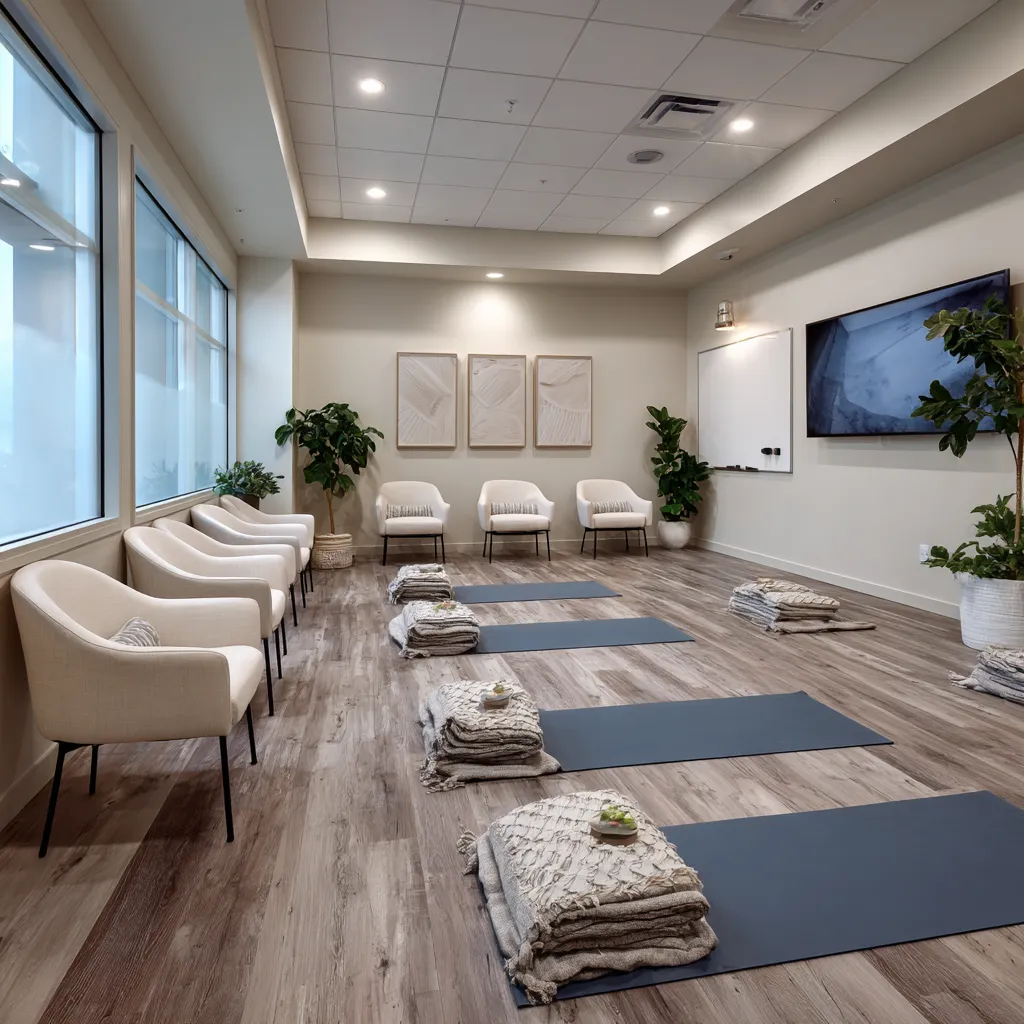
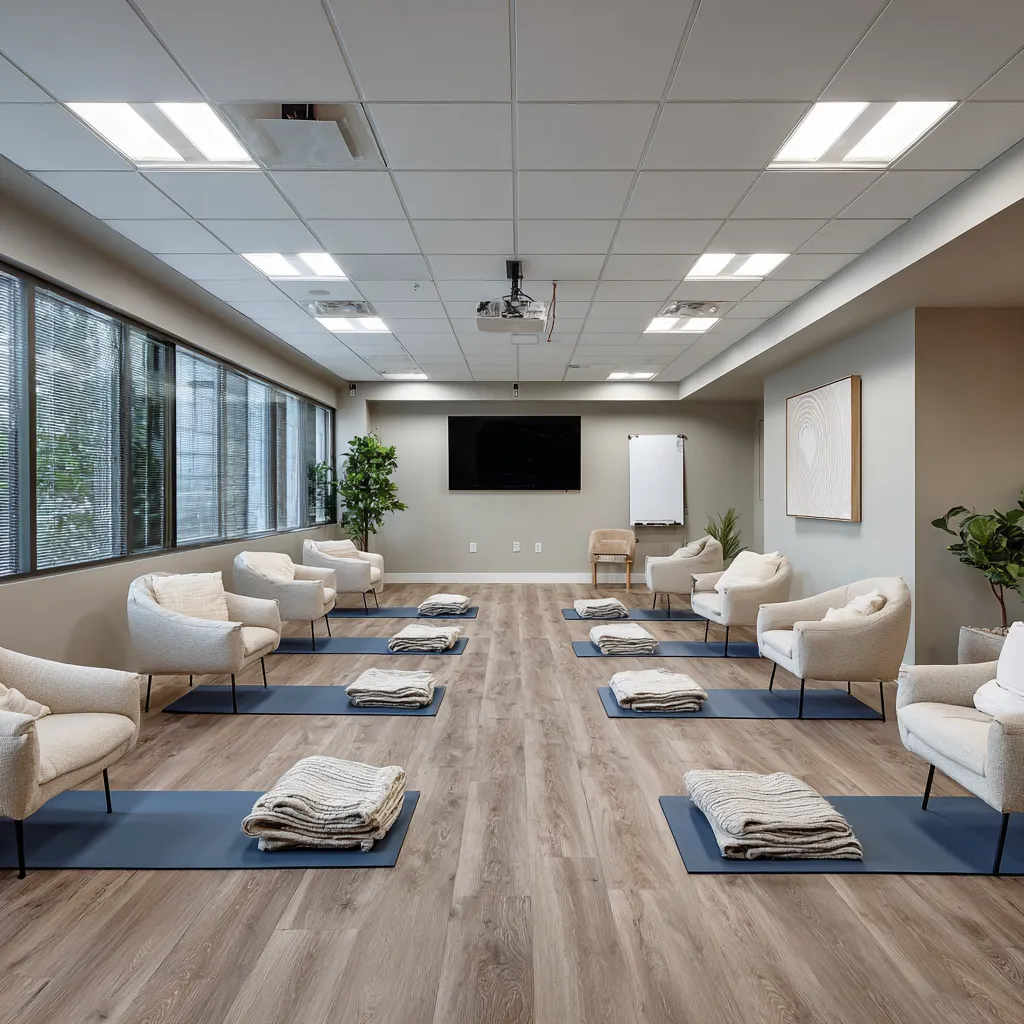
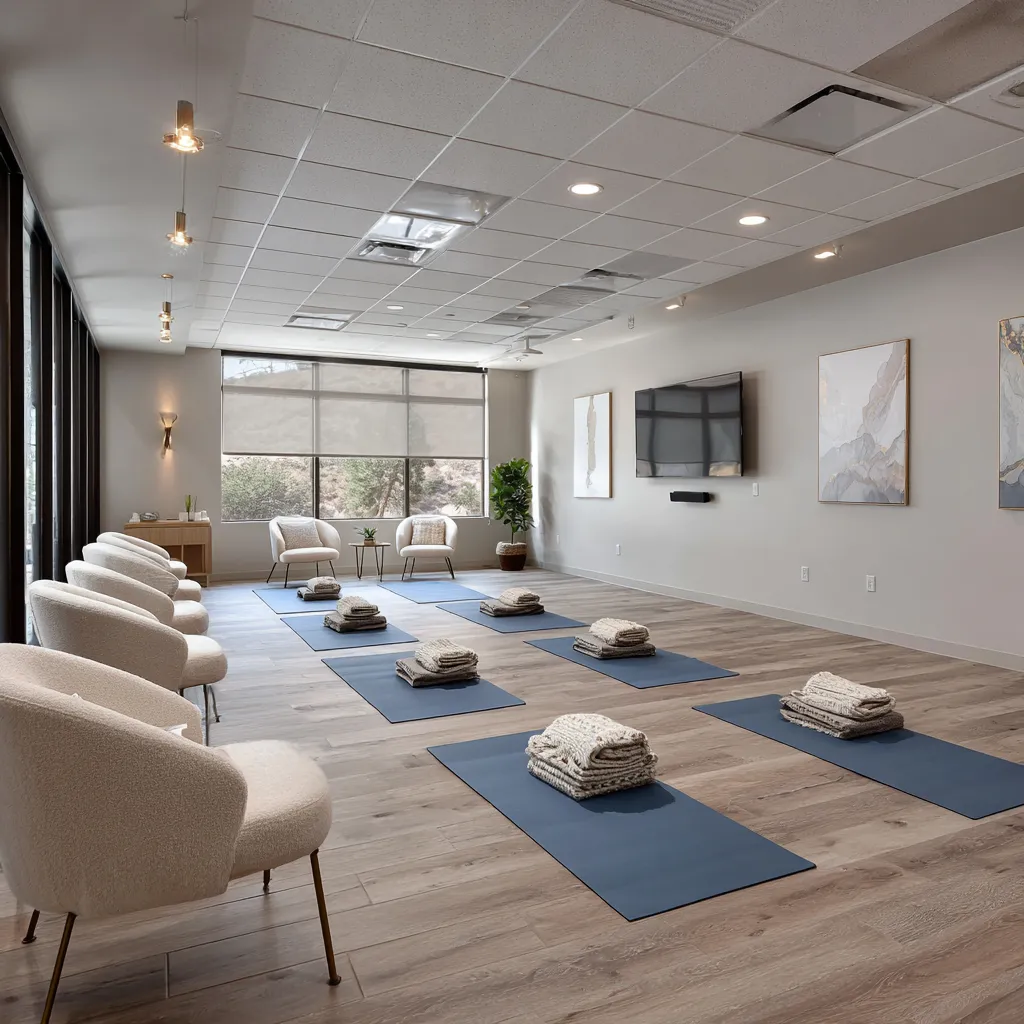
Therapy session Clinical office space

Our Team

Executive Director

Naomi Castellanos-Lin, LMFT

Co-Founder and Executive Director

One of the three founding clinicians who opened NCL as an outpatient practice in 2019. Trained at UCSF and licensed for fifteen years, Naomi oversees clinical strategy, regulatory compliance, and the outcomes-measurement program that anchors the facility continuous-improvement work. She still carries a small caseload of family-systems sessions on Wednesdays.

Medical Director

Dr. Aaron Vasquez, MD

Medical Director

Board-certified in addiction medicine and internal medicine. Dr. Vasquez spent eleven years on the faculty at UCSF Medical Center before joining NCL in 2022 to build out the medical detox wing. He sets the withdrawal protocols, leads the weekly clinical rounds, and oversees the medication-assisted treatment program.

Clinical Director

Linnea Park, PsyD

Clinical Director

Linnea directs the residential and outpatient therapy curricula and leads the trauma-informed-care training cycle for all 69 staff members. A licensed psychologist with subspecialty training in first-responder and healthcare-worker populations, she designed the dedicated occupational-trauma tracks that distinguish NCL residential program.

Accreditations & Certifications

NCL Rehab maintains the highest standards of care through nationally recognized accrediting bodies.

Alumni Testimonials

"I was a senior associate at a downtown firm, billing 2,200 hours a year and drinking my way through the weekends to forget the weeks. The thing nobody tells you about being a high-functioning drinker is that the decay is real, just invisible - until it is not. The admissions team at NCL walked me through how the medical leave conversation with my firm would work, before I had even committed to coming in. I made it through 60 days residential, then their evening IOP. I kept my job. Two years later, my partner does not remember the version of me that drank."

- Alexandra M., residential alumna, 2024

"Twelve years as an ICU nurse. The pandemic broke something in me that I tried to manage with the medication cabinet, and by 2023 I had a problem I could not name out loud. Walking into a treatment center as a healthcare worker is its own kind of impossible - you know exactly what every chart entry means. The clinical team at NCL got it. They built a peer group of three other healthcare workers and ran our therapy track around the specific occupational pieces. I returned to nursing fourteen months ago, in a different role, sober."

- Christine O., residential alumna, 2024

"Eighteen years on the badge in San Francisco. The job had given me things to remember that I could not unsee, and the off-duty drinking that started as a release became something else entirely. I was certain I would walk into NCL and run into someone I had arrested. Their first-responder track addressed that head-on - peer group with two other officers and a paramedic, separate from the general residential population for the first two weeks. I am still on the force, three years sober, and I work the 2 a.m. shift at our department peer-support program."

- Marcus R., residential alumnus, 2023

Ready to Start Your Recovery?

Contact our team for a confidential, no-obligation conversation.