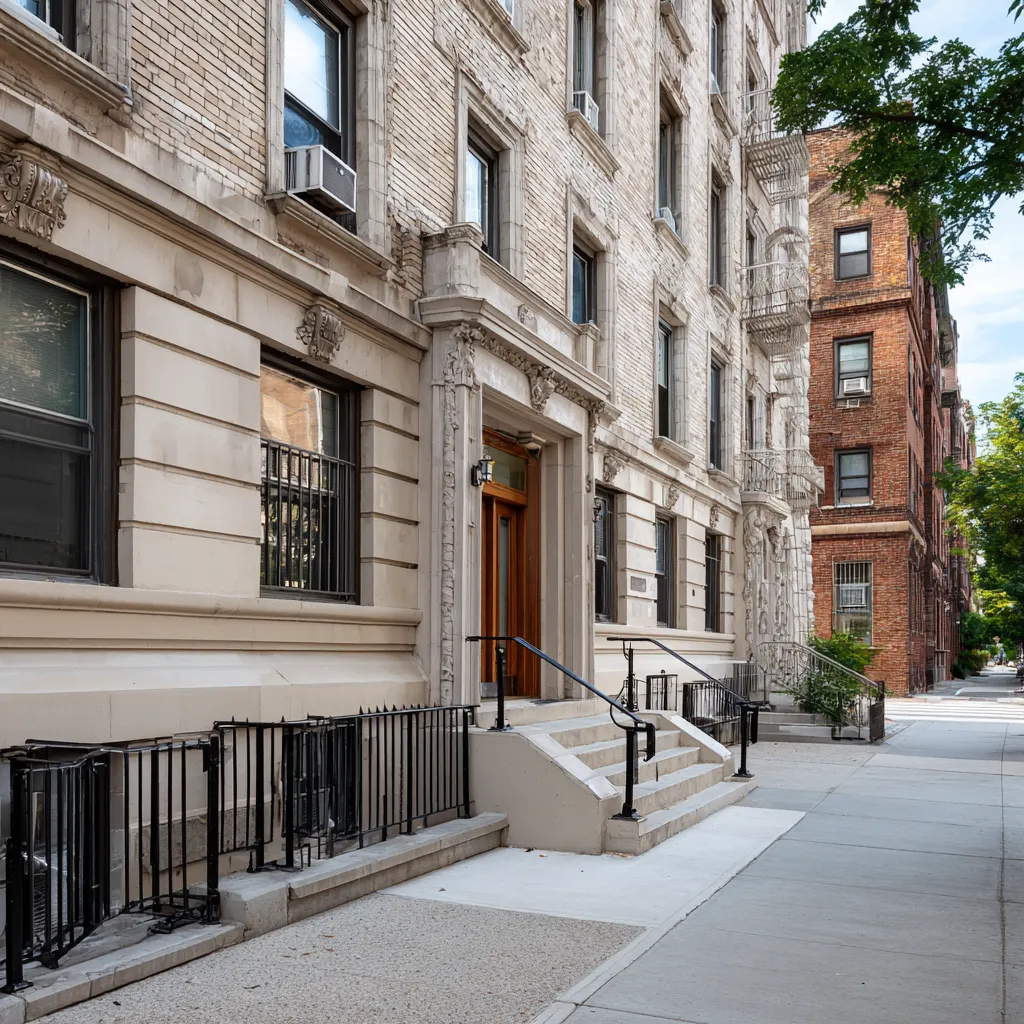
Medical Detox
A 3-7 day medically supervised withdrawal period in a dedicated detox suite. Physician oversight, 24-hour nursing, and evidence-based comfort medication protocols for alcohol, opioids, benzodiazepines, and stimulants.
Learn MoreSix years on Mission Street, 2,400 patients later, our outcomes data tells the same story: the people who finish our program build lives that hold. Detox, residential, and outpatient care designed around the measurable shifts that actually predict long-term sobriety.

NCL Rehab opened in 2019 as a four-clinician outpatient counseling practice in a converted Victorian on Mission Street. Within two years, the demand for residential and detox capacity from the patients we were already treating made it clear that an outpatient-only model was forcing the people who needed the most care to seek it elsewhere. We expanded into the adjacent building, added a 34-bed residential program and a dedicated detox wing, and grew the team to 69 clinicians over the next four years.
What did not change in that growth was the founding orientation: every patient is here to make a measurable change in how they live. Our work is to build the clinical scaffolding, gather the data, and adjust the plan until the change holds.
About Our Center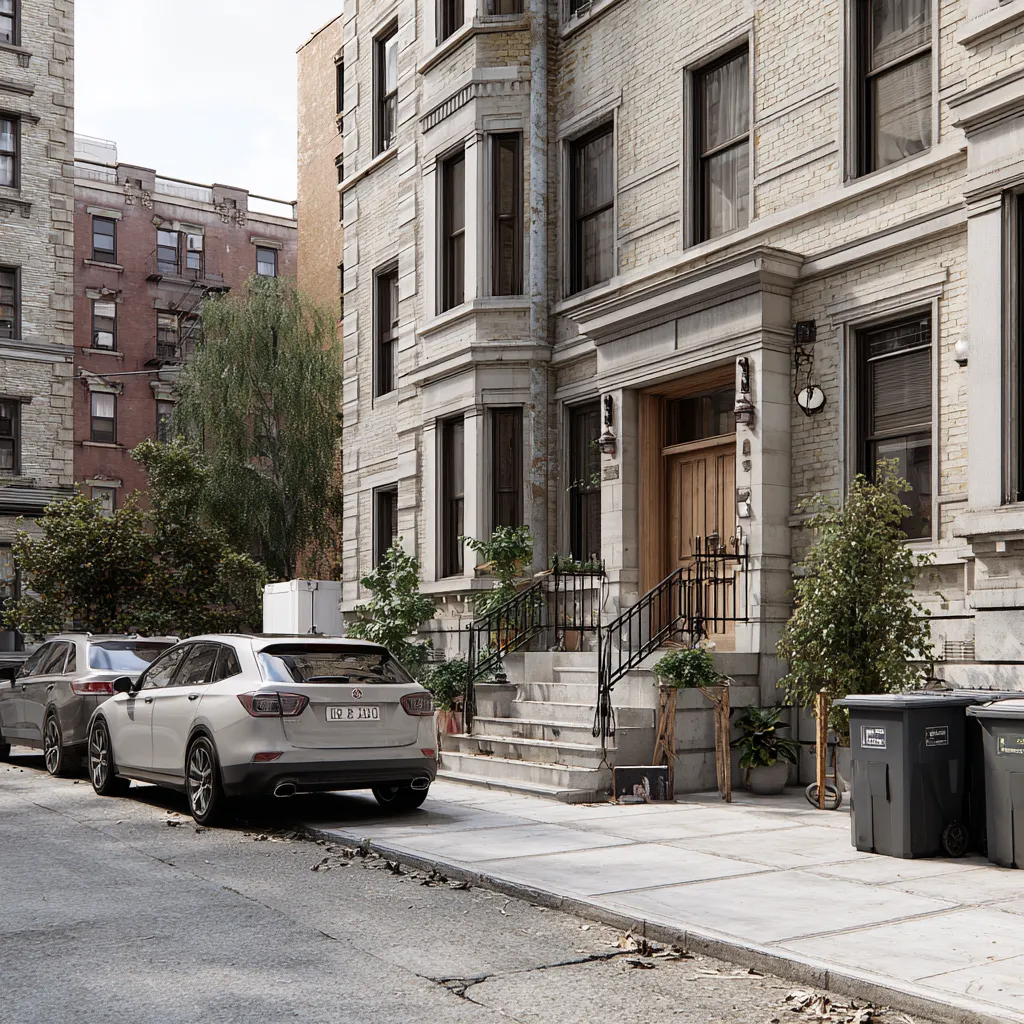
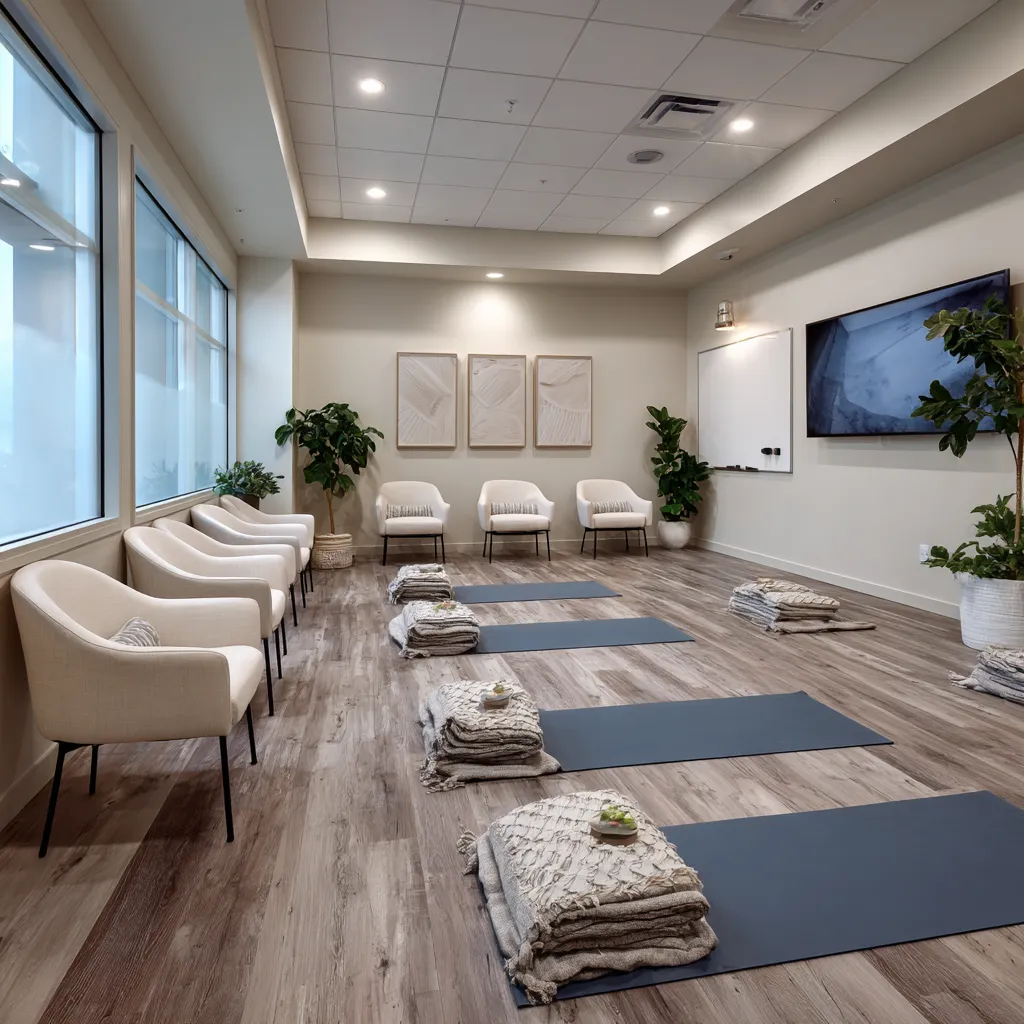
Patients receive standardized clinical assessments at admission, mid-stay, discharge, 90 days, and one year. Our 12-month sustained-sobriety rate sits in the high range published for residential programs of comparable length. We share the numbers honestly during the first call.
NCL began as an outpatient practice. That history shaped how we think about the entire continuum: residential is the most intensive phase of care, not the only one. Discharge planning begins at admission, and the step-down architecture is built to hold.
Medical, psychiatric, therapy, and case-management staff document in a single chart and meet three times weekly per resident. Information does not fall through the cracks between shifts.
Recovery for working adults requires re-entering work successfully. Every resident receives vocational rehabilitation support - return-to-work coaching, employer-disclosure planning, and short-term disability navigation - as a clinical component, not an afterthought.
Our family programming is built on family-systems theory. Spouses, parents, and adult children participate in structured clinical sessions designed to shift the patterns the addiction has organized around - not just to receive updates.
Aetna, Blue Cross Blue Shield, Cigna, Medicaid, Medicare, WellCare, Optum, Anthem, UnitedHealthcare, and Beacon Health Options. Verification typically completes in under an hour.
A 3-7 day medically supervised withdrawal period in a dedicated detox suite. Physician oversight, 24-hour nursing, and evidence-based comfort medication protocols for alcohol, opioids, benzodiazepines, and stimulants.
Learn More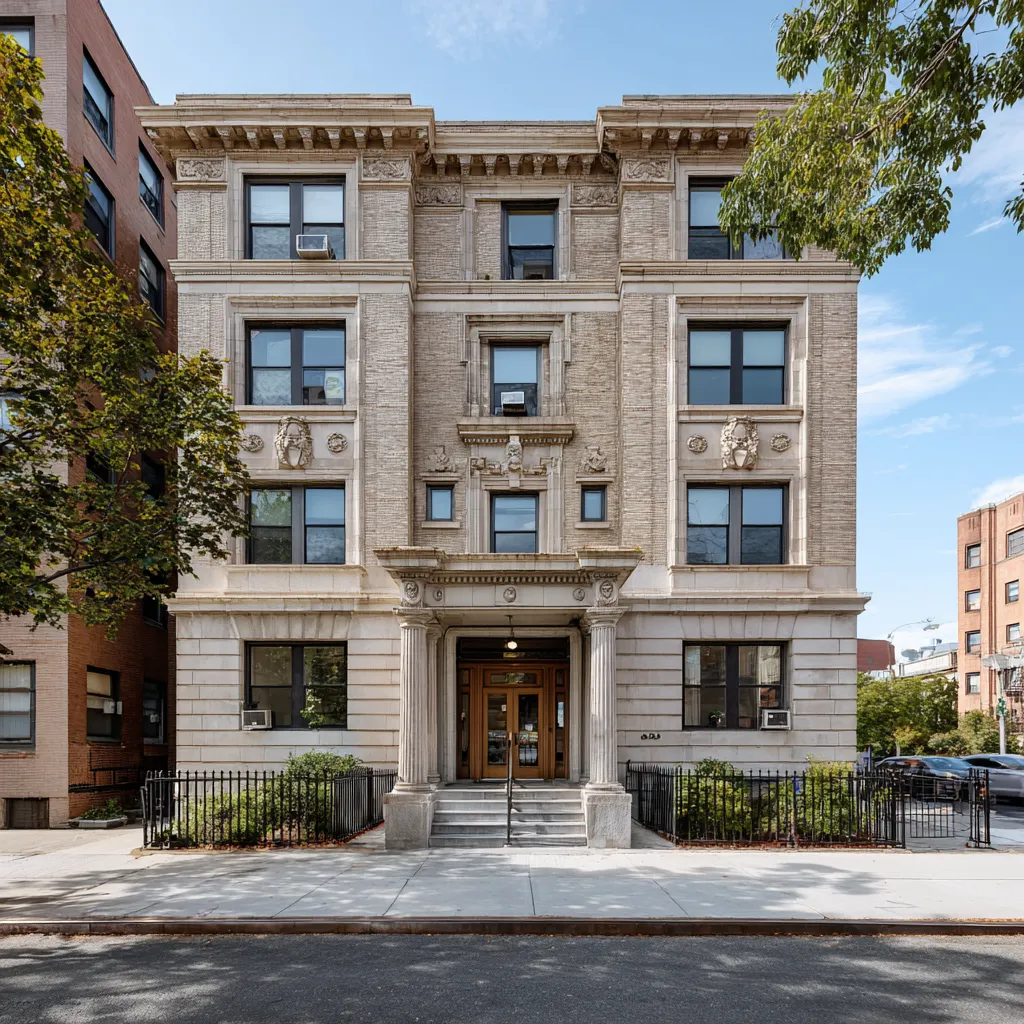
30 to 90 days in our 34-bed San Francisco residence. A clinically intensive schedule - three therapy sessions per day combining group, individual, and specialty modalities - with measurable progress reviewed weekly.
Learn More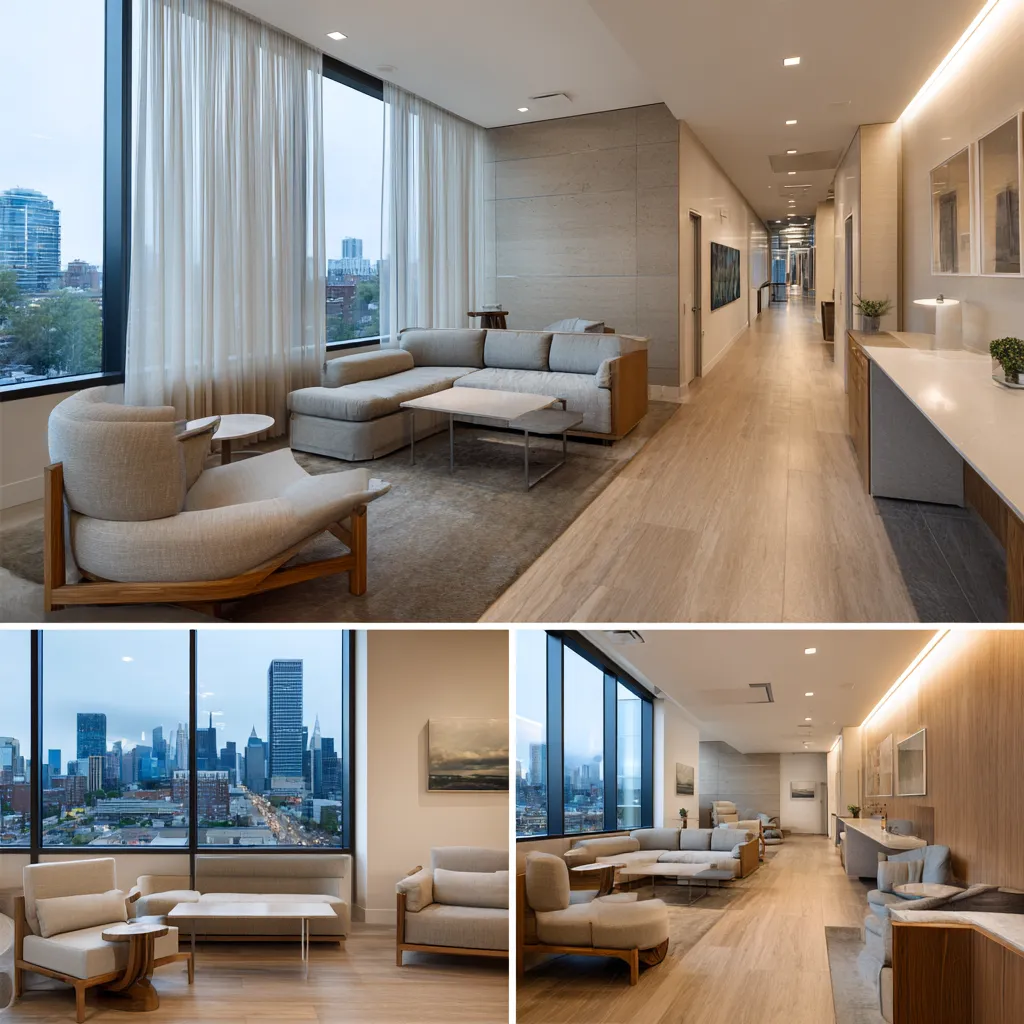
PHP, IOP, and standard outpatient tiers - the original model that NCL was built on. Evening IOP tracks let working professionals, healthcare workers, and first responders continue treatment without stepping away from their roles.
Learn More
Integrated care for substance use alongside depression, anxiety, PTSD, bipolar disorder, and complex trauma. A board-certified psychiatrist reviews every dual-diagnosis admission within 48 hours.
Learn More"I was a senior associate at a downtown firm, billing 2,200 hours a year and drinking my way through the weekends to forget the weeks. The thing nobody tells you about being a high-functioning drinker is that the decay is real, just invisible - until it is not. The admissions team at NCL walked me through how the medical leave conversation with my firm would work, before I had even committed to coming in. I made it through 60 days residential, then their evening IOP. I kept my job. Two years later, my partner does not remember the version of me that drank."
- Alexandra M., residential alumna, 2024
"Twelve years as an ICU nurse. The pandemic broke something in me that I tried to manage with the medication cabinet, and by 2023 I had a problem I could not name out loud. Walking into a treatment center as a healthcare worker is its own kind of impossible - you know exactly what every chart entry means. The clinical team at NCL got it. They built a peer group of three other healthcare workers and ran our therapy track around the specific occupational pieces. I returned to nursing fourteen months ago, in a different role, sober."
- Christine O., residential alumna, 2024
"Eighteen years on the badge in San Francisco. The job had given me things to remember that I could not unsee, and the off-duty drinking that started as a release became something else entirely. I was certain I would walk into NCL and run into someone I had arrested. Their first-responder track addressed that head-on - peer group with two other officers and a paramedic, separate from the general residential population for the first two weeks. I am still on the force, three years sober, and I work the 2 a.m. shift at our department peer-support program."
- Marcus R., residential alumnus, 2023
We work with most major insurance providers to help make treatment accessible.